Kitchen Remodel Planning Workbook
Work through layout, appliances, plumbing and electrical moves, and finish selections before you talk numbers, so the scope stops moving mid-project.
General Contracting & Remodel
Most remodels don't go wrong at the tile — they go wrong the week nobody could say whose job the next step was.
Bigger jobs touch several trades, and that's where they usually go sideways. We write the scope down, keep the order straight, and stay with it from first call to final walkthrough.
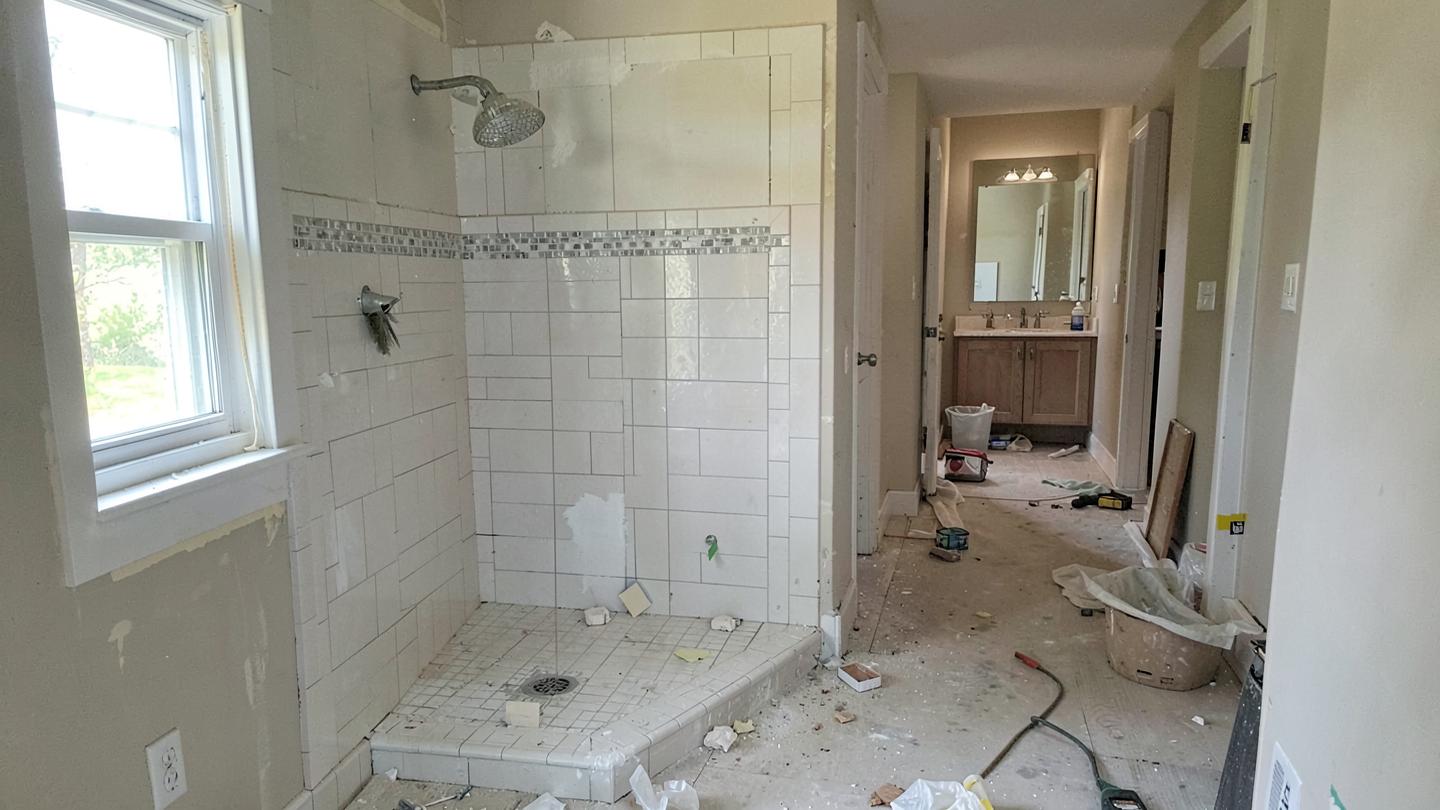
A quote without a written scope is just a guess with a dollar sign. If the paper you were handed says “bathroom remodel — $18,500” and nothing else, it does not say who buys the vanity, whether the subfloor is included, what happens if there is rot under the tub, or who hauls the debris. Every one of those becomes a change order later.
The other quiet cost is sequence. Tile before plumbing rough-in, or cabinets before the floor, means paying twice. We write the order down and keep it, so the trades show up in the right week and the job does not stall waiting on a decision nobody knew was theirs.
Good answers here are what let a licensed pro give you a real number instead of a guess.
Not sure which trade your job even belongs to? Describe it in plain words here. Sorting that out is part of what we do.
Describe the project. We'll come back with questions and a written summary of what we heard.
Plain-English guides we wrote from real jobs. No cost, no sales call required.
Work through layout, appliances, plumbing and electrical moves, and finish selections before you talk numbers, so the scope stops moving mid-project.
Waterproofing, valve choices, niche and bench decisions, ventilation, and the hidden-condition questions that decide a bathroom budget.
Hardwood, engineered, luxury vinyl, tile, and carpet compared on subfloor needs, moisture, pets, wear, and long-term cost — not marketing claims.
Substrate, waterproofing, layout, movement joints, and grout choices — the parts of a tile job you can't see once it looks finished.
A line-by-line method for putting three bids on the same footing, so you know whether you're comparing price or comparing scope.
Licensing, insurance, deposits, change orders, and communication patterns — the warning signs that show up before the money does.